Your home should be your safe haven. But over time, small hazards can sneak in—things like loose wires, old smoke detectors, or worn-out steps. Staying safe in your home doesn’t have to be overwhelming. By doing regular checks and making a few smart replacements, you can feel more confident and secure every day.
Let’s walk through the key areas of your home and the simple steps you can take to prevent accidents and maintain peace of mind.
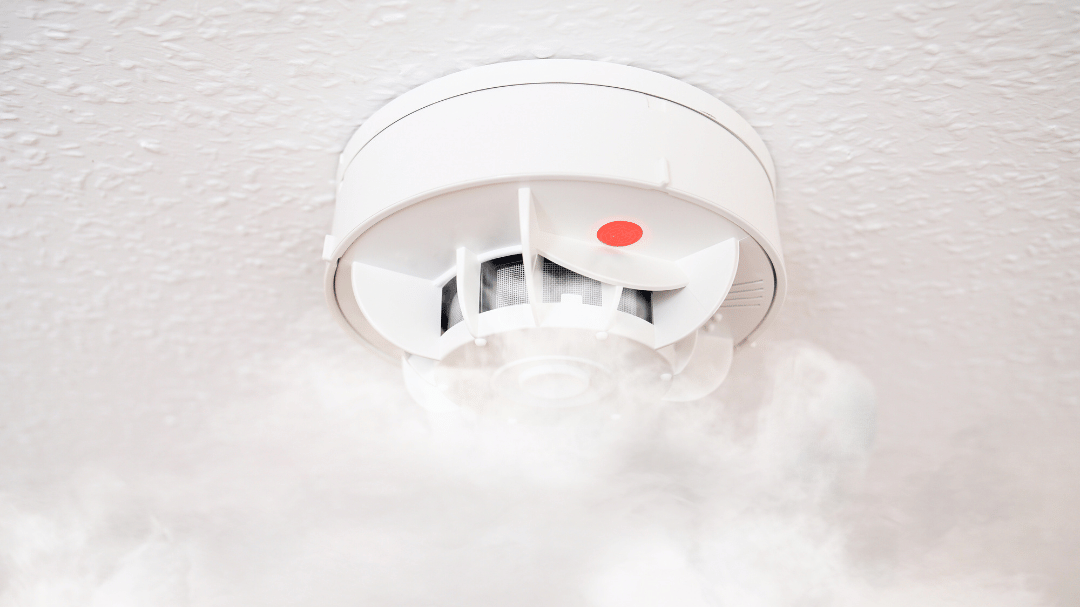
1. Start with Fire Safety
Smoke and Carbon Monoxide Detectors
You should have smoke detectors on every floor, especially near bedrooms and the kitchen. Test them once a month and replace the batteries every six months—even if they seem fine. If your smoke detector is more than 10 years old, replace it entirely.
Carbon monoxide detectors are just as important, especially if you have gas appliances or a fireplace. They should also be tested regularly and replaced every 5 to 7 years.
Fire Extinguishers
Keep a small fire extinguisher in the kitchen and know how to use it. Check the pressure gauge to ensure it’s still in the safe zone. If it's expired or damaged, replace it.
2. Avoid Trips and Falls

Clear Pathways
Falls are a common cause of injury in the home. Keep hallways, stairs, and walkways free from clutter like shoes, cords, or rugs that could cause you to trip.
Secure Rugs and Mats
Use non-slip pads under area rugs. Replace mats that curl at the corners or slide easily. In the bathroom, always use a rubber-backed mat or a bath mat with suction grips.
Check Handrails and Steps
Make sure all handrails are secure, especially along stairways. If steps are uneven or worn, repair or replace them. Add bright tape or paint to mark stair edges for better visibility.
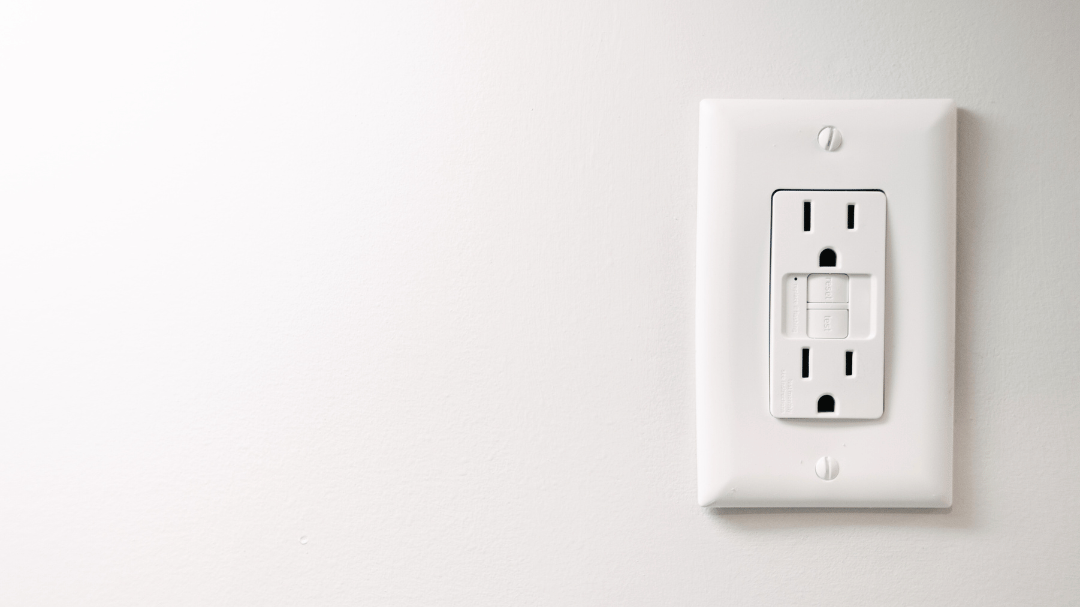 3. Inspect Electrical and Lighting Systems
Replace Damaged Cords
Look for frayed or cracked wires and cords, especially on older lamps or extension cords. Replace anything that shows signs of wear.
Use the Right Light Bulbs
Use bulbs with the correct wattage to avoid overheating. Switch to LED bulbs for longer life and better energy efficiency. And make sure every room is well-lit to prevent tripping.
Avoid Overloaded Outlets
Never plug too many devices into one outlet. Use power strips with surge protection, especially for electronics.
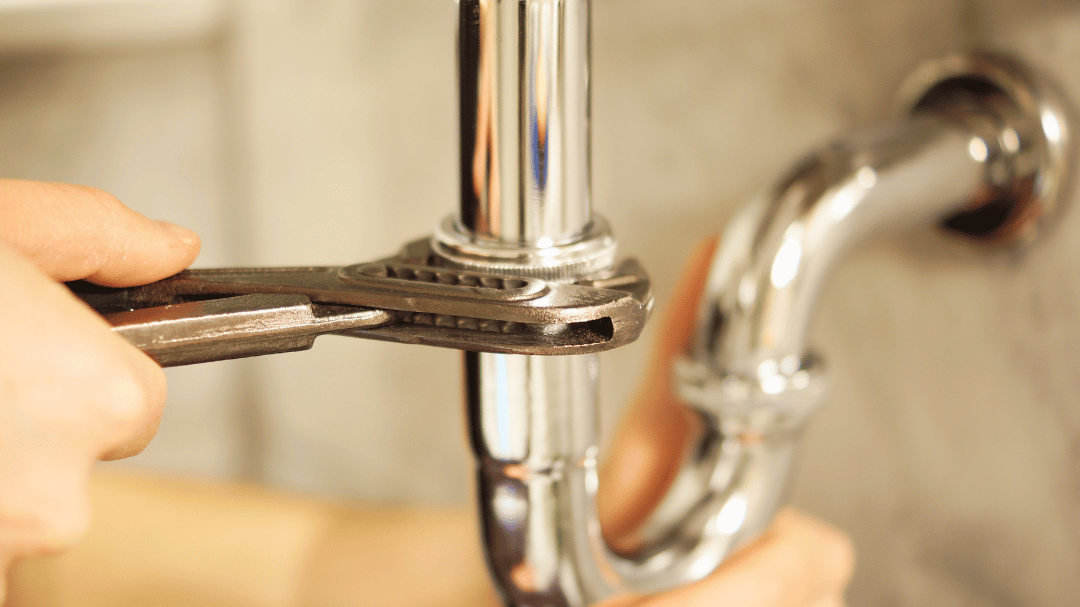 4. Plumbing and Appliances
Check for Leaks
Inspect under sinks and around toilets for leaks. Water damage can lead to mold, which can affect your health. If you notice a musty smell or stains, it’s time to call a plumber.
Service Major Appliances
Have your furnace, air conditioner, and water heater checked yearly. Clean out dryer vents to reduce the risk of fire. And don’t forget to clean your refrigerator coils once or twice a year to keep it running efficiently.
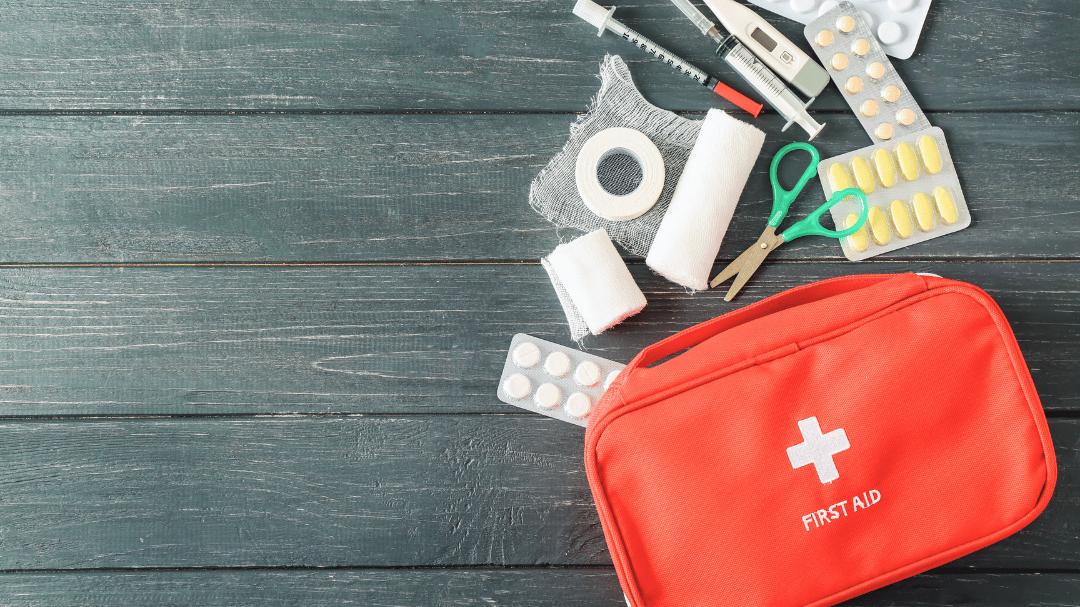 5. Keep an Emergency Kit
Every home should have a basic emergency kit. Include flashlights with extra batteries, a first-aid kit, bottled water, non-perishable food, and a battery-powered radio. Keep this kit in an easy-to-reach place in case of power outages or natural disasters.
6. Update Emergency Numbers and Contact Info
Keep a list of emergency contacts next to your phone or on your fridge. Include local police, fire department, your doctor, and a neighbor or nearby family member. If you have a cell phone, program these numbers in and keep it charged.
Final Tip: Make It a Routine
Choose one day each month to walk through your home with this checklist in mind. Set a reminder on your calendar. Regular upkeep is the best way to catch issues before they become real problems.
Stay Safe, Stay Confident
Your home should support your independence—not challenge it. A little attention goes a long way when it comes to safety. Want to learn more tips for smart home maintenance or connect with others doing the same? Join a class on GetSetUp to explore home safety, maintenance, and more.