We often think about staying physically fit, but what about your brain? Your brain is just as important to care for—and luckily, there are many enjoyable ways to protect and improve your brain health as you age.
In this article, you’ll learn how small daily habits—like eating well, staying active, engaging socially, and exercising your mind—can make a big difference. Let’s explore how to keep your brain strong, healthy, and vibrant.
What Is Brain Health, Really?
Brain health means how well your brain functions across different areas: thinking, memory, movement, emotions, and even social interaction. A healthy brain helps you live independently, connect with others, and enjoy life to the fullest—regardless of age or medical conditions.
Think of brain health like a garden. With regular care, the right nourishment, and enough variety, it flourishes.
Eat for Brain Power
What you eat can protect your brain just like it protects your heart. One of the most recommended plans is the MIND diet—a mix of the Mediterranean and DASH diets—designed to support memory and cognitive function.
Foods that feed your brain:
- Leafy greens (kale, spinach, collard greens) – at least one serving a day
- Berries (especially blueberries and raspberries) – loaded with antioxidants
- Fatty fish (salmon, mackerel, sardines) – rich in omega-3 fatty acids
- Nuts (like walnuts) – packed with healthy fats and vitamin E
- Whole grains – three servings per day support overall brain and heart health
- Olive oil – your go-to cooking oil
- Beans, poultry, and occasional wine – all in moderation
Foods to limit: butter, margarine, cheese, red meat, fried foods, sweets, and pastries. These may increase inflammation or damage brain cells over time.
Learn More:
Stay Physically Active
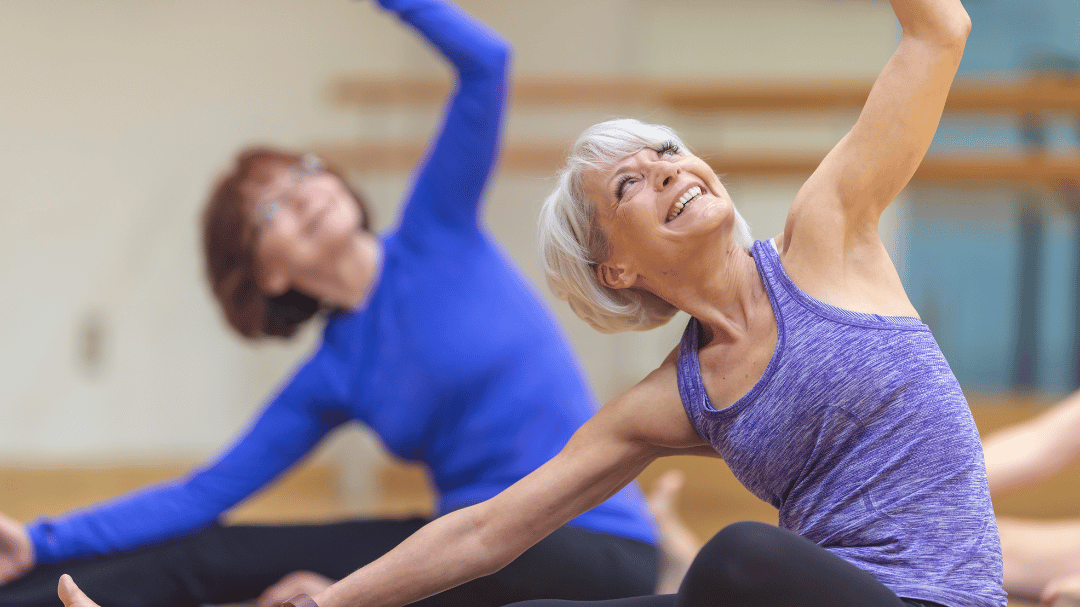
Physical activity doesn’t just build muscle—it boosts memory and mood. Exercise increases blood flow to the brain and supports the growth of new brain cells.
Try:
- Walking or water aerobics
- Dancing (learn new choreography to really give your brain a workout!)
- Strength training with light weights
- Tai chi for a blend of balance, coordination, and relaxation
Exercise can also reduce anxiety, improve sleep, and lower the risk of cognitive decline, including dementia.
Try a class!
- Easy Cardio Circuit Workout for Heart Health
- Exercise Ideas for Older Adults to Stay Strong and Healthy
- Cardio Dance
- Tai Chi - Practice Ep. 2
Challenge Your Mind
Keeping your brain active is just as important as moving your body. The goal is to stay mentally stimulated and curious.
Fun ways to keep your brain busy:
- Jigsaw puzzles – a great way to focus and spot patterns
- Card games – solo or with friends, they improve memory and strategy skills
- Learn a new language or musical instrument – it’s never too late!
- Read books and build your vocabulary – write down new words and use them
- Teach someone a skill – explaining helps you retain knowledge
- Change up routines – like taking a new route while walking or driving
- Dance or follow new steps – it’s exercise and mental focus rolled into one
You don’t have to do everything. Pick a few activities you enjoy and rotate them throughout the week.
Stay Social, Stay Sharp
Social connections are a powerful part of brain health. Engaging with others helps prevent depression, reduces stress, and may even slow memory loss.
Easy ways to stay social:
- Join a fitness or walking group
- Attend a book club or hobby group at your local library or community center
- Take an online or in-person class on something new (like those on GetSetUp)
- Volunteer or mentor—your life experience is valuable and appreciated
- Start small—even waving to a neighbor can lift your mood and theirs
If you’ve been out of the social loop, start slow. Visit a familiar spot like the library, or check out a gentle exercise class where you can meet people with similar interests.
Create a Brain-Healthy Plan
Intentions are great—but action makes the difference. Take time to build a brain health routine that works for you.
Here’s how:
- Write it down – Use a notebook, planner, or whiteboard
- Divide your day – Include time for physical activity, meals, cognitive tasks, and social engagement
- Make it realistic – Start small with 10-minute activities
- Check in weekly – Adjust your plan as needed based on your energy and interests
Need a starting point? Walk around the block, try a new recipe with leafy greens, or dust off an old deck of cards and play a game.
Take the First Step Today
There’s no one-size-fits-all solution for brain health, but every positive step counts. You don’t have to do everything at once. Choose what feels right, have fun with it, and enjoy the benefits of a more active, engaged, and fulfilled life.
Want more inspiration? Explore classes on GetSetUp to stay mentally and socially active. There’s always something new to try—and a friendly community to do it with.
Learn More: